AIQS Ecosystem
Redefining indoor wellness through advanced filtration.


AIQS SYSTEM
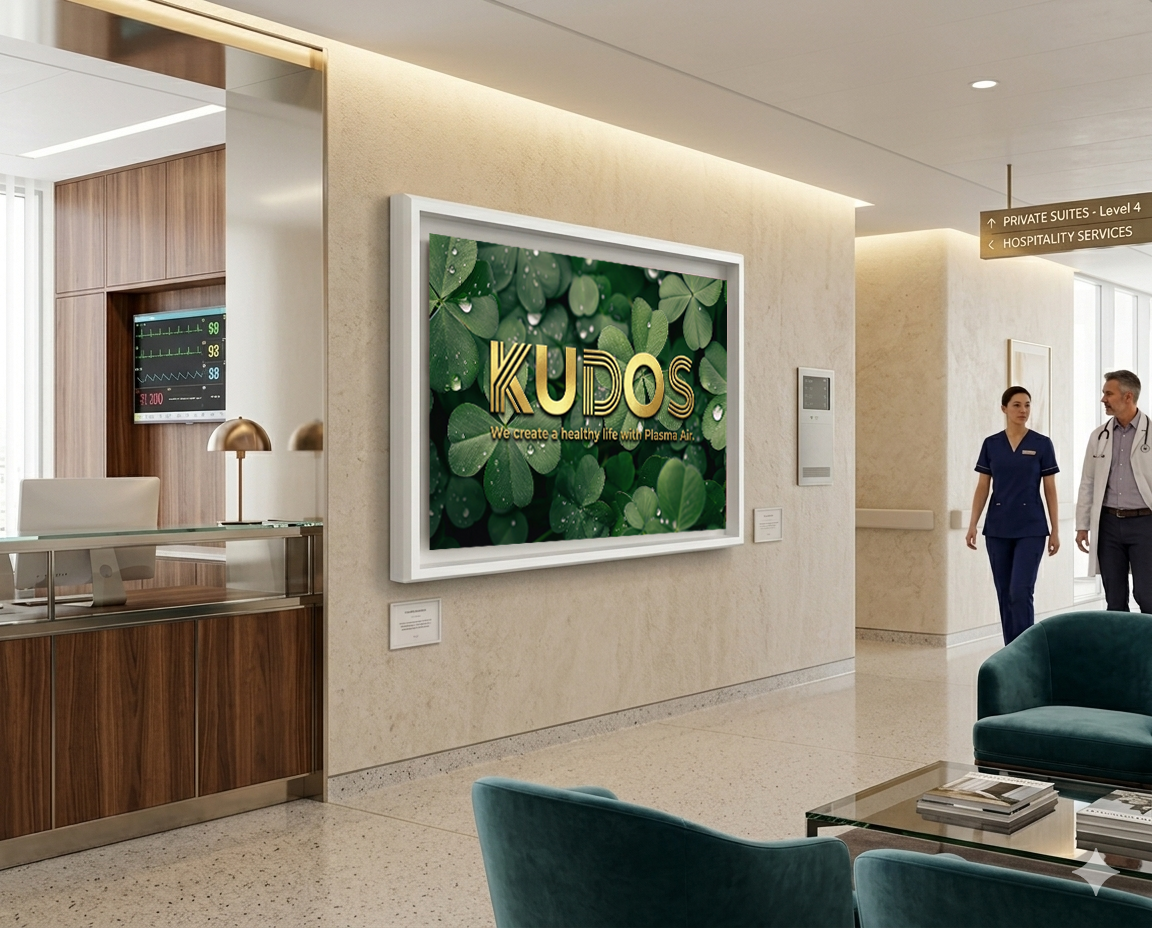
Combining cutting-edge artificial intelligence and sensor technology, AIQS goes beyond simple air measurement to deliver the best breath optimized for your space.

The Necessity of Air Management
Improving indoor air quality is an essential mission for protecting occupant health and ensuring psychological well-being.

Indoor Purification
Shared indoor spaces often include individuals with weakened immunity, increasing the risk of airborne infections.
Smart Ventilation
24/7 Fine Dust Protection: Real-time sensors detect pollution to block micro-dust while infusing fresh outdoor air.

Disease Prevention
In high-traffic areas, the potential for infectious diseases like pneumonia and flu is elevated, posing a threat to all users.

Safe Health Zones
Therefore, IAQ improvement is vital for safeguarding health and maintaining a sense of safety and comfort.
AIQS Atmospheric
Intelligence Control.
Real-time Central Control
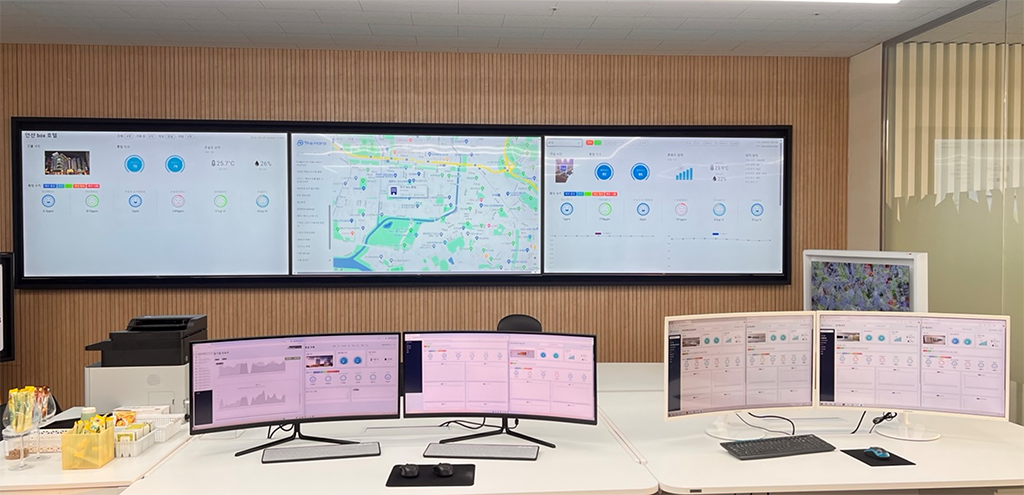
We maintain optimal indoor air quality and a secure environment through 24-hour continuous monitoring.
Event Alerts
- Indoor gas and fire detection
- Real-time AI detection & admin alerts
- Built-in AI voice status updates
Live Sterilization
- HEPA: Gas & fine dust removal
- UVC Sterilization: Pathogen removal
- Hydro-Plasma: Virus & odor removal
- Quarterly filter replacement & check
Real-time Monitoring
- Anomaly reporting to management
- Remote IAQ system control
- System integrity diagnostics
- Comprehensive air quality reports
Artwork Service
- Themes: Health, Luck, Nature, and more
- Custom artwork for individual needs
- 6-month periodic rotation service
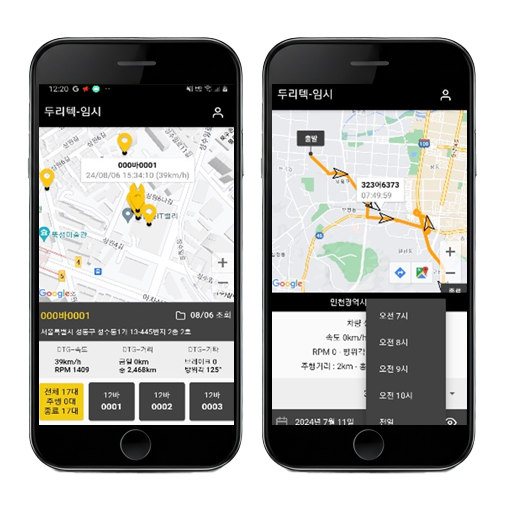
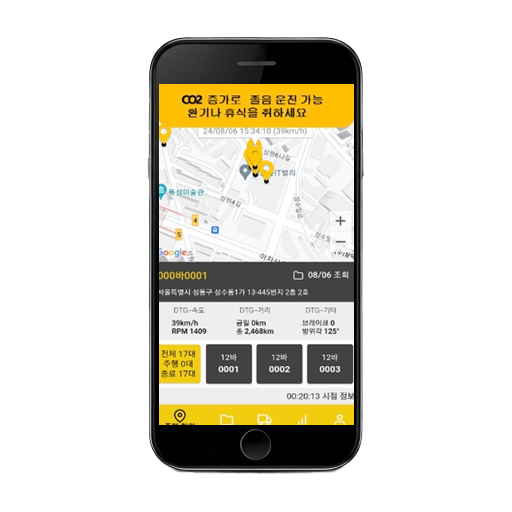
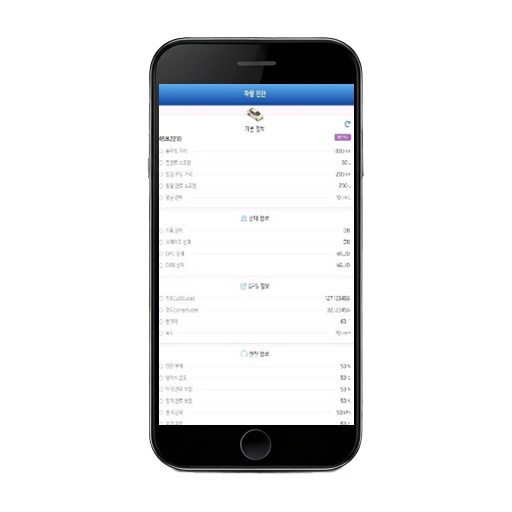
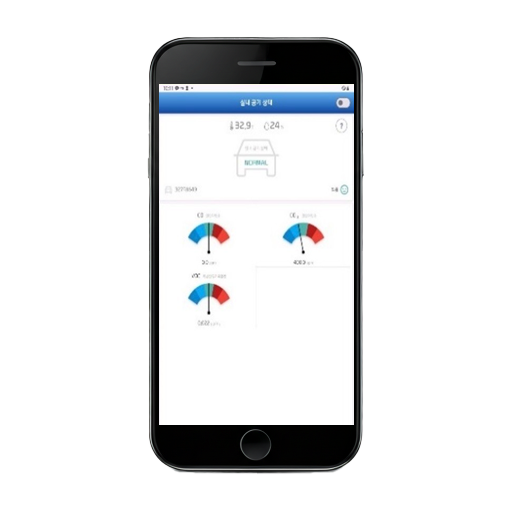
Integrated Mobile & Web Analytics
Manage your environment anytime, anywhere via smartphone. Our intuitive UI allows you to grasp complex data at a single glance.
Regulatory Standards
Indoor Air Quality Control Act
Legal maintenance standards for multi-purpose and residential facilities in accordance with Articles 2 and 3 of the Indoor Air Quality Control Act. Failure to comply will result in strict administrative penalties.
[ IAQ Maintenance Standards (Article 5) ]
| Pollutant Category | PM10 (µg/m³) | CO2 (ppm) | HCHO (µg/m³) | Bacteria (CFU/m³) | CO (ppm) |
|---|---|---|---|---|---|
|
Multi-purpose Facilities
Subway stations, underground malls,
terminals, libraries, etc.
|
≤ 150 | ≤ 1,000 | ≤ 100 | - | ≤ 10 |
|
Hospitals & Daycares
Includes nursing homes and postpartum
care centers.
|
≤ 100 | ≤ 1,000 | ≤ 100 | ≤ 800 | ≤ 10 |
|
Indoor Parking Lots
Underground parking areas with poor
ventilation.
|
≤ 200 | - | - | - | ≤ 25 |
Penalties for IAQ Violations
| Violation Act | Fine Amount |
|---|---|
| Failure to maintain facilities according to IAQ standards | Up to 10M KRW |
| Failure to complete mandatory IAQ management training | Up to 5M KRW |
| Non-disclosure or false public notice of new housing measurements | |
| Failure to conduct measurements or keeping false records | |
| Giving unfair instructions that affect measurement results |
Legal compliance is a key item in regular audits. Prevent risks in advance by adopting AIQS automation solutions.
Regular Inspection
Facility owners must measure indoor air quality themselves or request an authorized agency at least once a year.